Home About Research Publications Field Work Contact

Evolutionary Biology & Genomics

Sam Hirst

Postdoctoral Researcher  ·  Columbia University

Trait Evolution  ·  Population Genomics  ·  Molecular Ecology

Genomicist. Evolutionary Biologist. Animal Enthusiast.

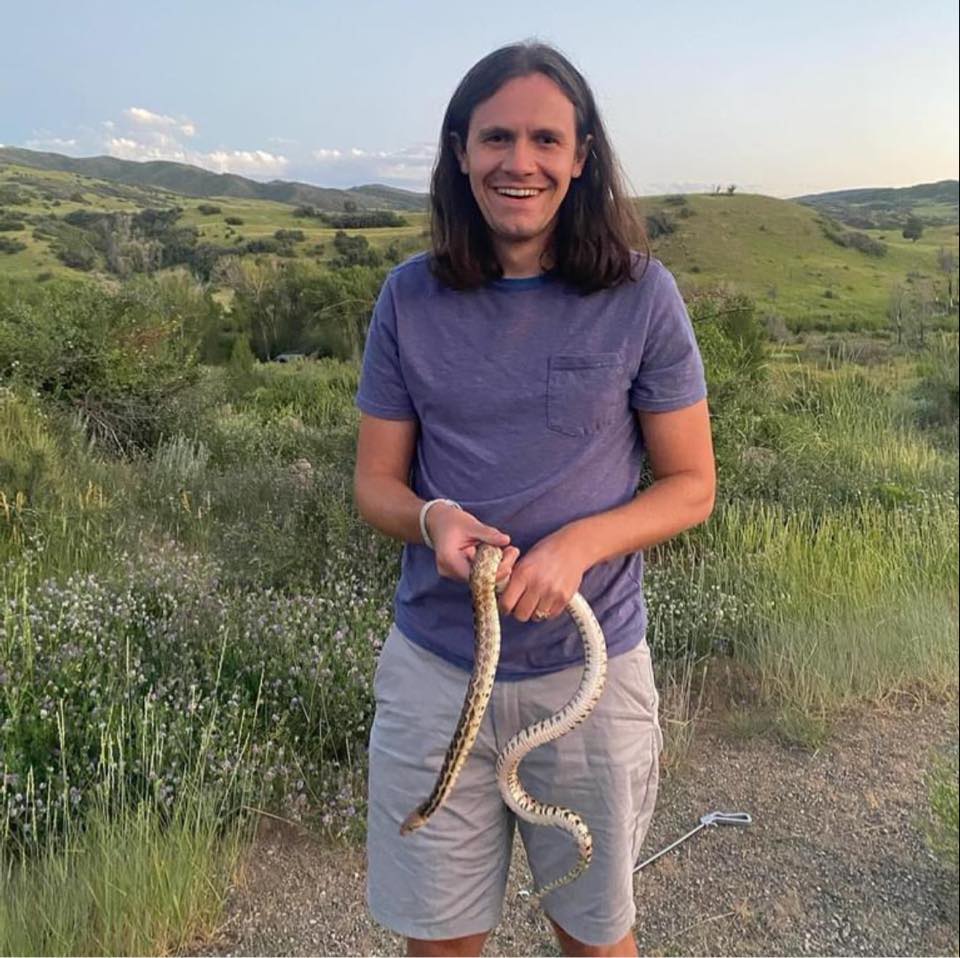
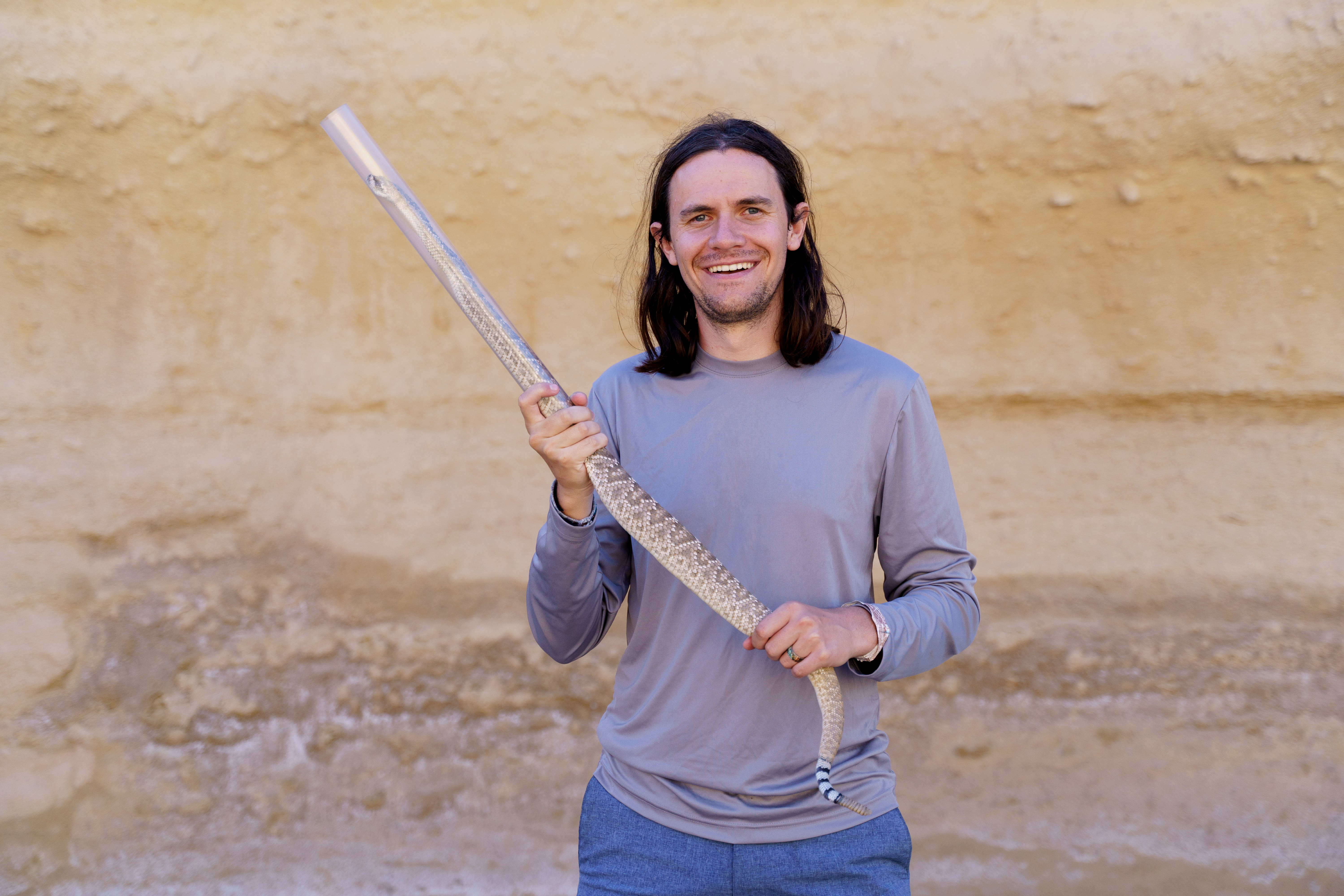
Sam Hirst holding a rattlesnake in Baja California
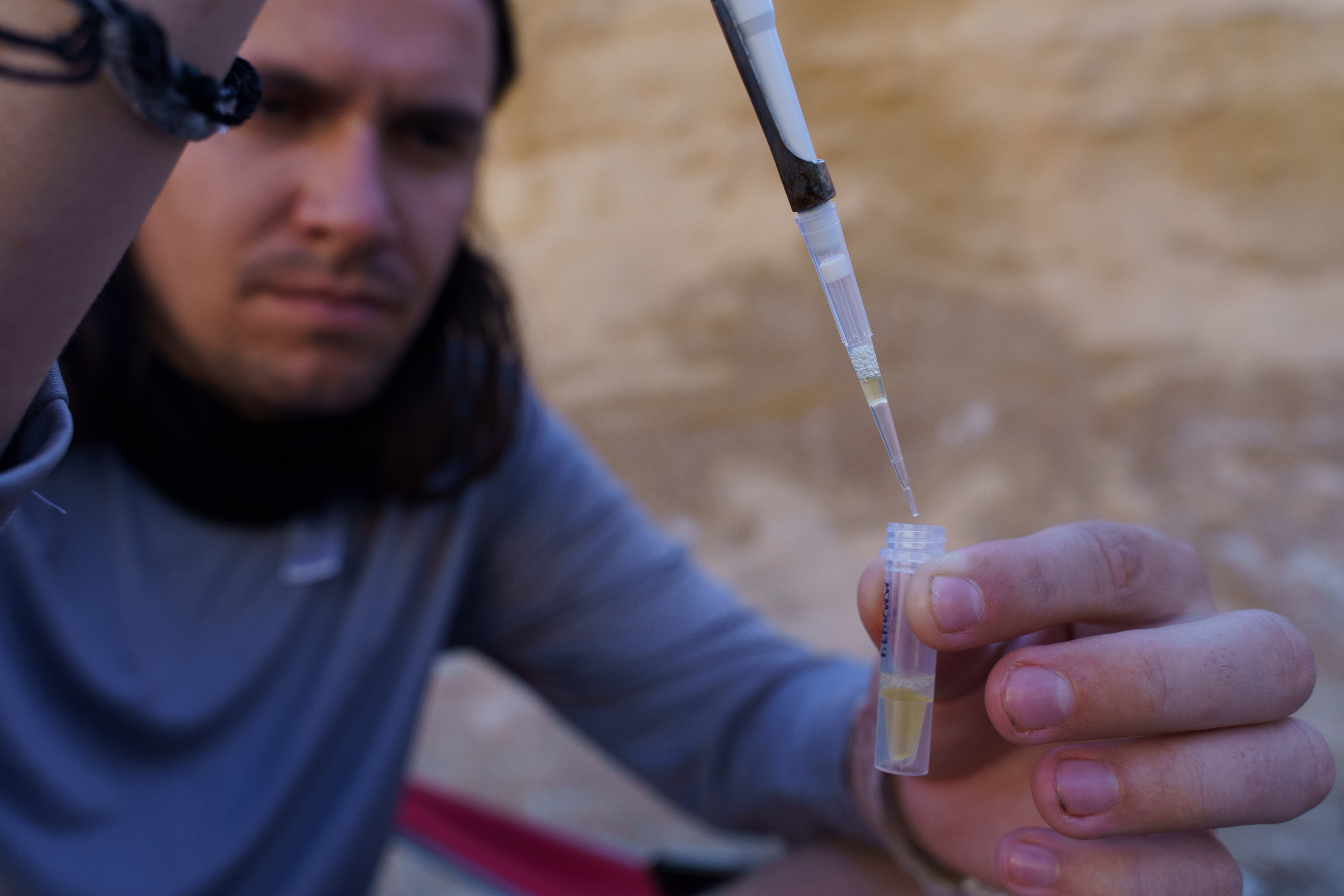
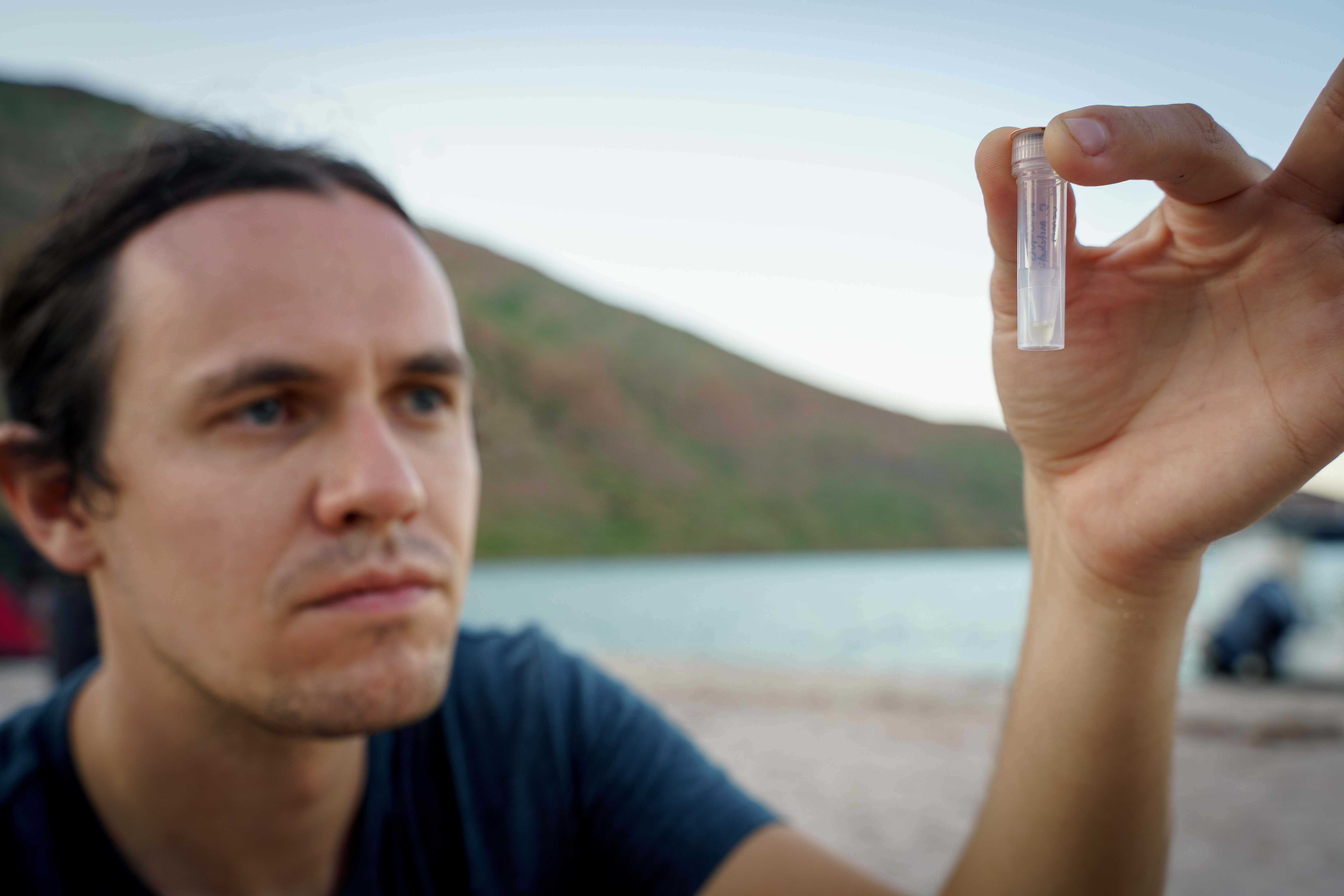
Sam Hirst examining a venom sample in the field
Sam Hirst in the field

I am an evolutionary biologist interested in how traits change across space and time.

My research focuses on understanding how variation at the level of genes and genomes translates into functional and phenotypic differences among populations and species.

Much of my work has centered on venomous snakes and the evolution of venom as a complex adaptive trait. I study venom variation using integrative genomic approaches, including population genomics, whole-genome sequencing, transcriptomics (RNA-seq of venom glands), and proteomic analyses. By combining molecular data with functional assays, I aim to connect genetic differences to ecologically relevant variation in phenotype.

I am also broadly interested in identifying general principles linking ecological predictions to trait evolution across diverse systems. More recently, I have been investigating how genomic architecture shapes complex traits such as migratory behavior and migration-associated fitness differences in songbirds.

Population Genomics Venom Evolution Transcriptomics Proteomics Pangenomics Migration & Fitness

Current & Past Projects

01

Pangenomes & Structural Variation

Delmore Lab  ·  Columbia University  ·  Current

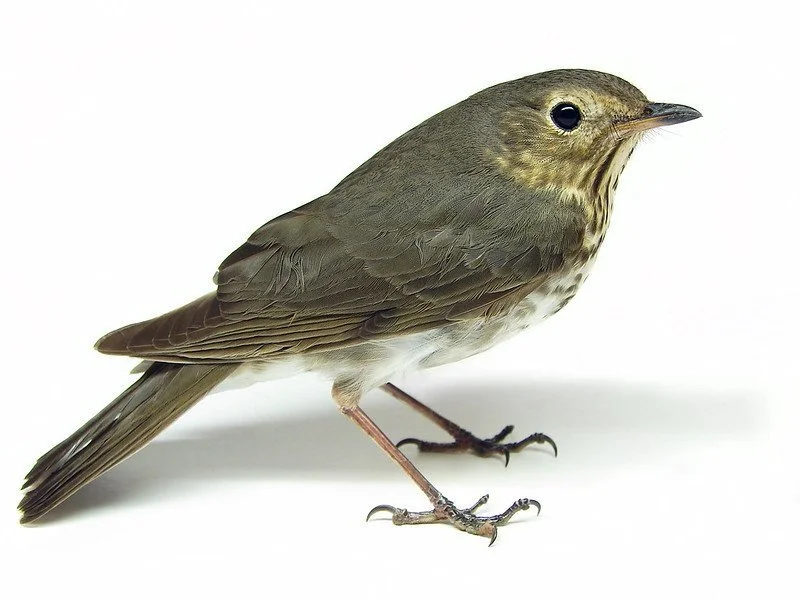
As a Postdoctoral Researcher in the Delmore Lab, I investigate how genomic architecture shapes the evolution of complex traits. I study how structural variants (inversions and large-scale insertions/deletions) contribute to variation in migratory behavior and influence hybrid fitness in the Swainson's thrush.

Migration is a complex, polygenic trait integrating behavior, physiology, and timing across annual cycles. By combining pangenomics and fitness data, I aim to understand how genomic architecture constrains or facilitates adaptation and speciation.
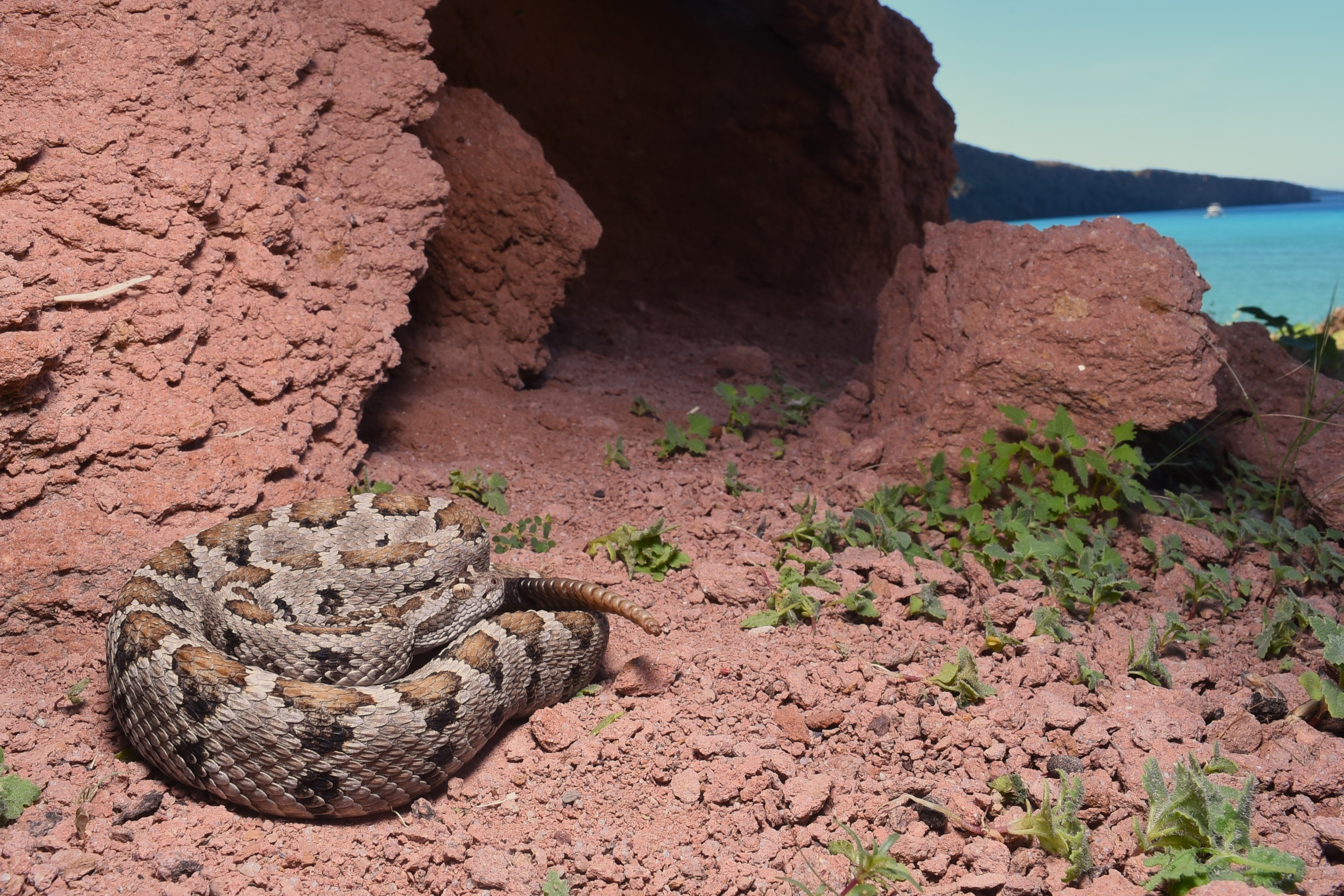
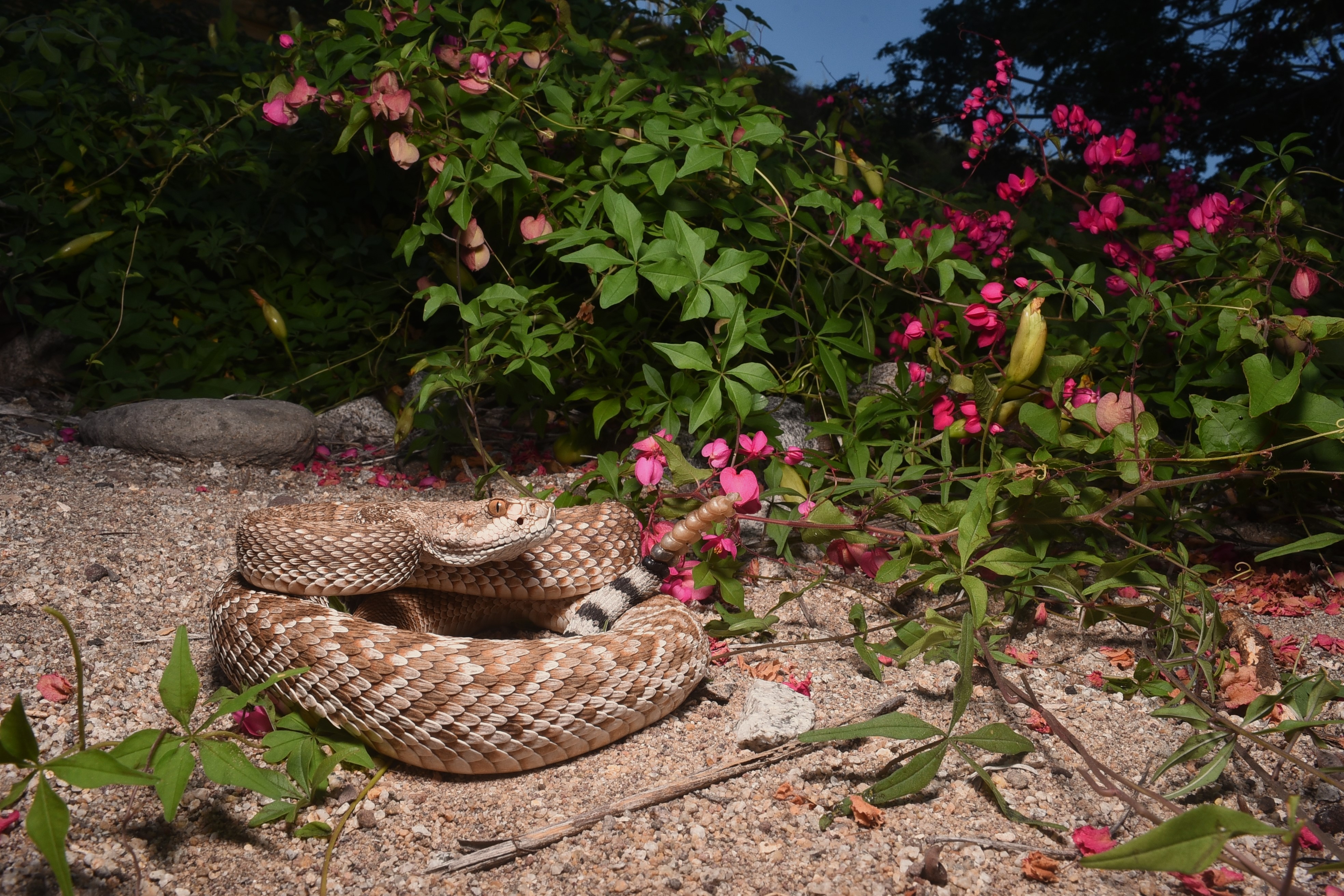
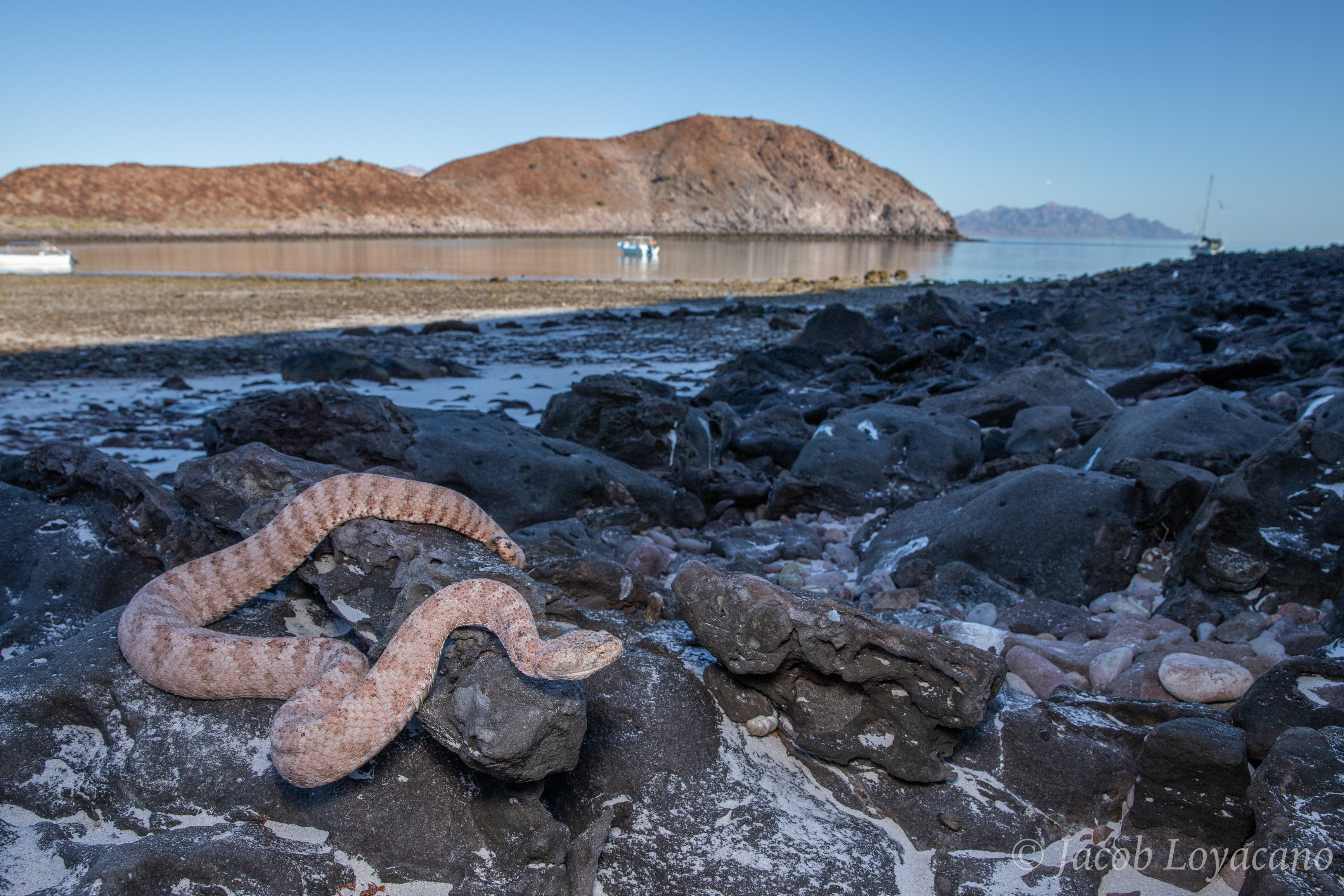
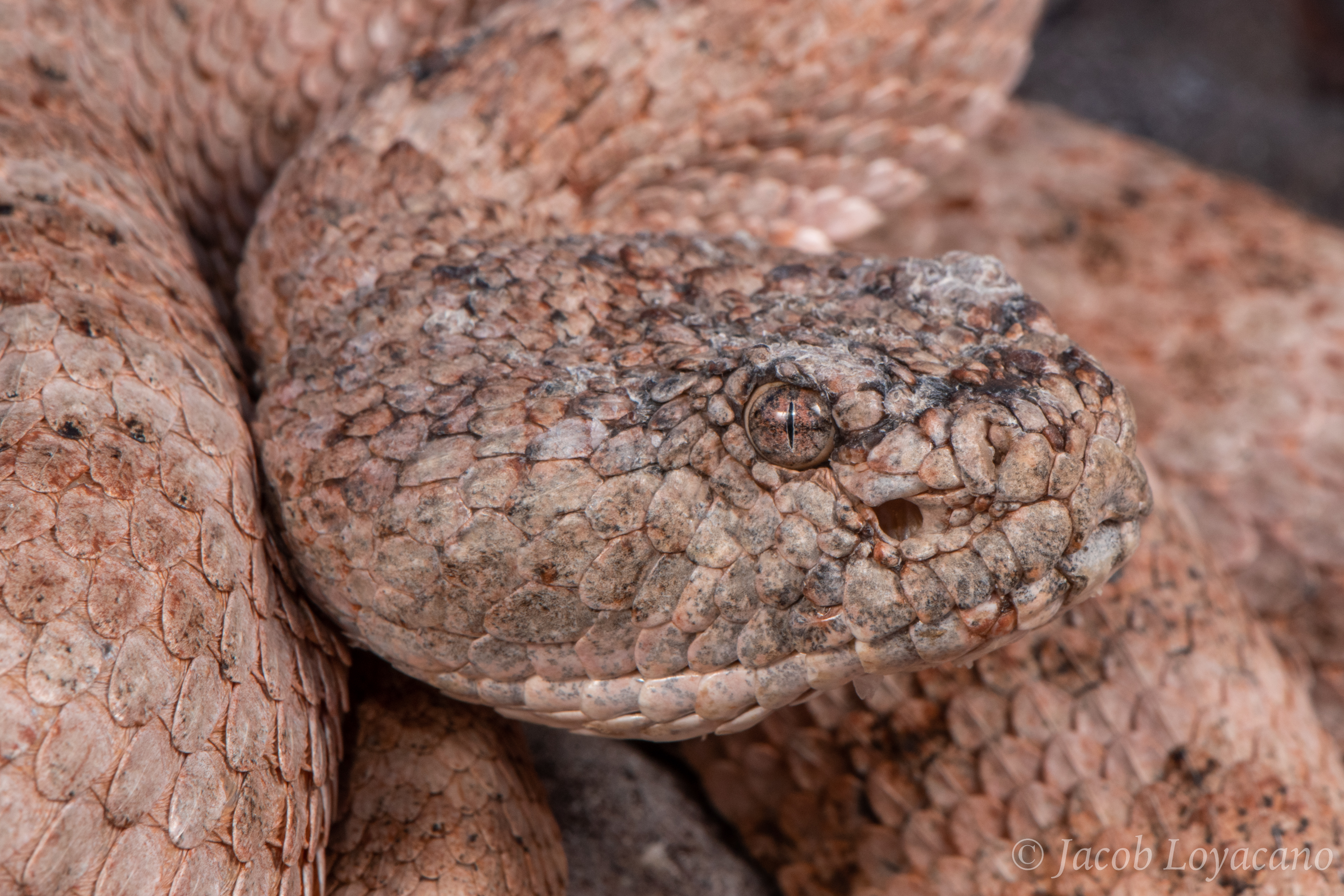
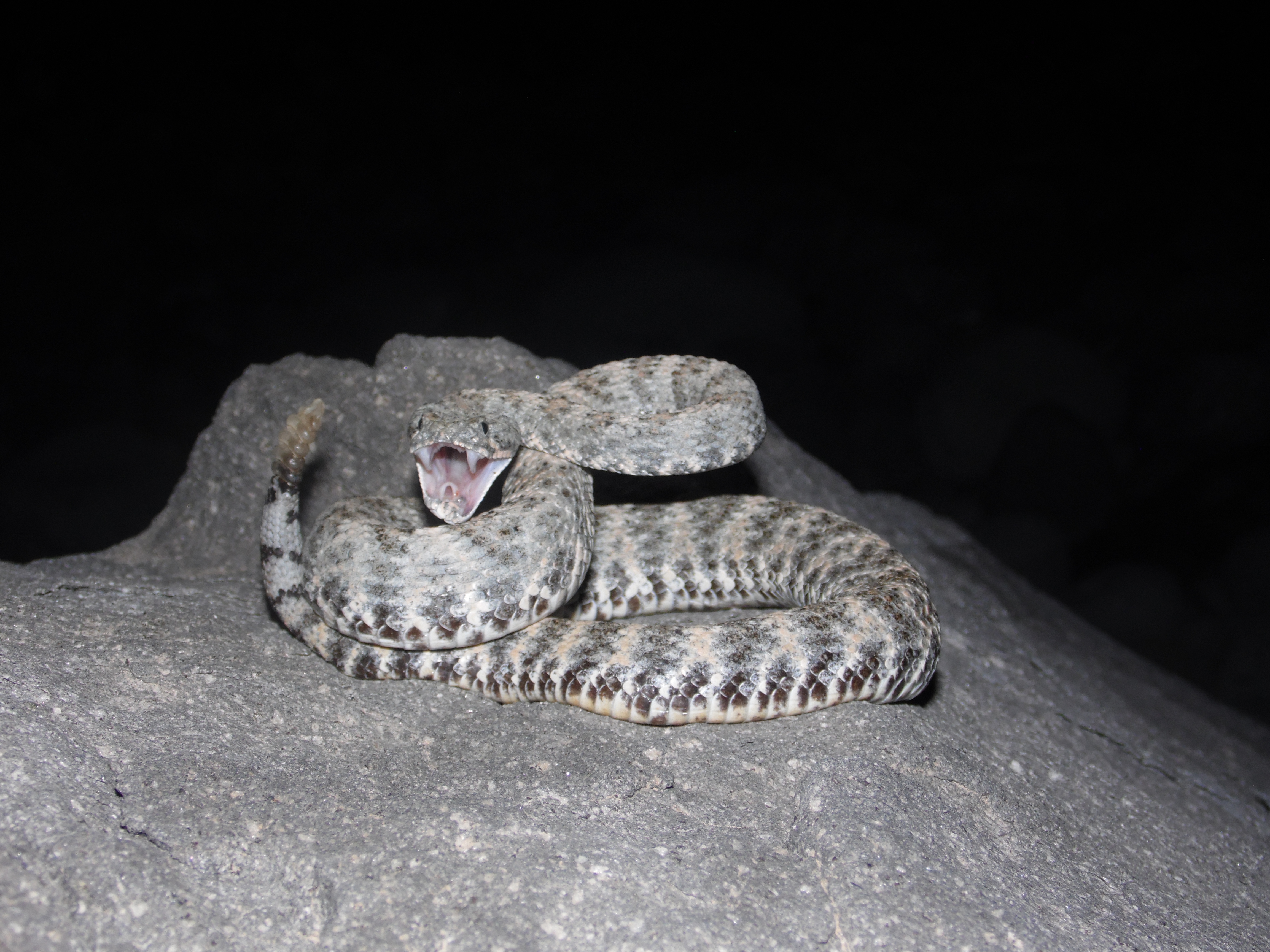
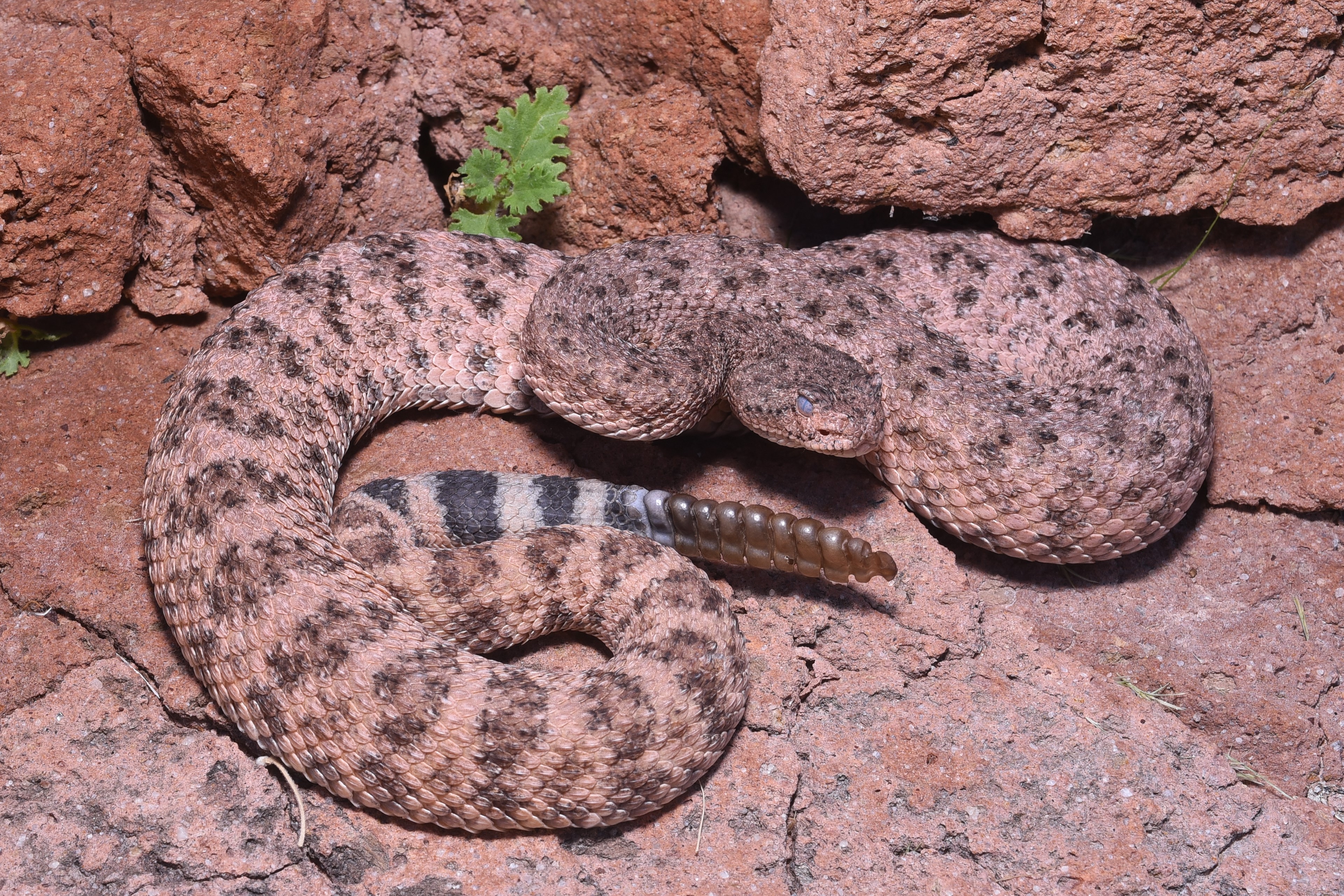
Crotalus enyo on a Baja California island
02

Venom Evolution on Islands

Margres Lab  ·  University of South Florida  ·  Ph.D.

For my dissertation, I tested whether Island Biogeography Theory can predict the evolution of functional trait complexity—specifically venom complexity in rattlesnakes across islands in the Gulf of California.

Venom is a polygenic trait shaped by predator–prey interactions and dietary breadth. Using IBT predictions about island area, isolation, and species diversity, I connected ecological context to venom complexity, genomic diversity, and structural variation across island populations.

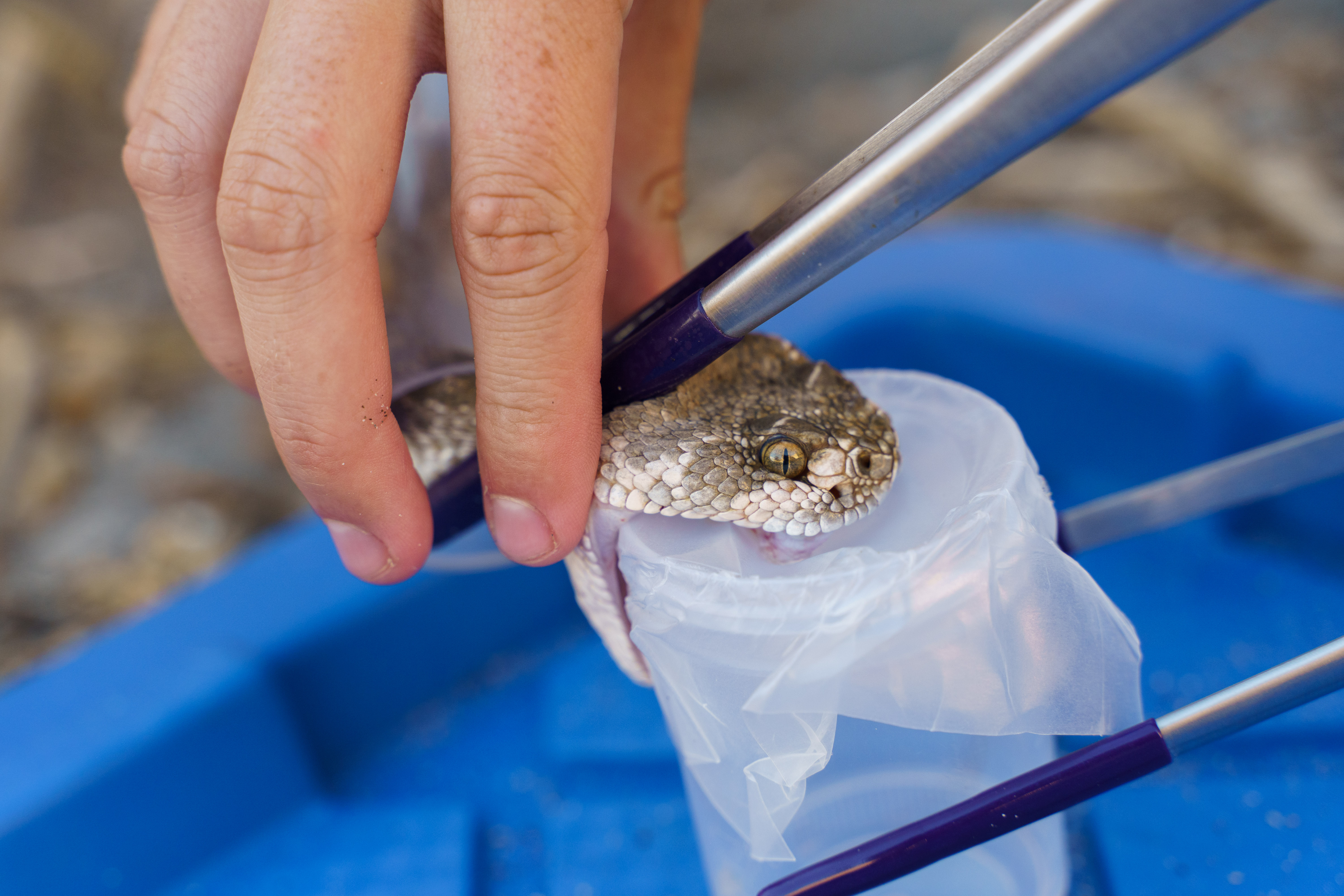
Venom extraction from a rattlesnake in the field
03

Integrative Venom Genomics

Multi-institutional collaborations

Across multiple projects I apply whole-genome sequencing, RNA-seq of venom glands, and proteomic analyses to understand the molecular basis of venom variation. By integrating these data types, I connect sequence-level variation to protein composition and functional phenotypic differences across populations and species.

Peer-Reviewed Research

  1. 2026

    Hirst SR*, VanHorn CM†, Franz-Chávez H, Vásquez-Cruz V, Kelly-Hernández A, Rosales-García RA, Castañeda-Gaytán G, Borja M, Parkinson CL, Strickland JL, Margres MJ. Lack of an Ontogenetic Shift in Crotalus enyo cerralvensis Venom Supports Integration of Cranial Morphology and Venom Expression in Rattlesnakes. Western North American Naturalist. 86(1): Article 8.

  2. 2025

    Mochales Riaño G*, Hirst SR, Talavera A, Burriel-Carranza B, Pagone V, Estarellas M, Busschau T, Boissinot S, Hogan MP, Tena-Garcés J, Pla D. Chromosome-level reference genome for the medically important Arabian horned viper (Cerastes gasperettii). GigaScience. giaf030.

  3. 2025

    Neri-Castro E*, Borja M, Castañeda-Gaytán G, Alagón A, Strickland JL, Parkinson CL, Gutierrez-Martínez A, Rodriguez-López B, Zarzosa V, Lomonte B, Saviola AJ, Fernández J, Smith CF, Hansen KC, Pérez-Robles A, Castañeda-Pérez A, Hirst SR, Olvera F, Fernández-Badillo L, Sigala J, Jones J, Montaño-Ruvalcaba C, Ramírez-Chaparro R, Acosta-Campaña G, Margres MJ. Venom variation and ontogenetic changes in the Crotalus molossus complex: insights into composition, activities, and antivenom neutralization. Comparative Biochemistry and Physiology, Part C. 290, 110129.

  4. 2024

    Hirst SR*, Rautsaw RM, VanHorn CM†, Beer MA, McDonald PJ, Rosales-García RA, Lopez BR, Rubio Rincón A, Franz-Chávez H, Vásquez-Cruz V, Kelly-Hernández A, Storfer A, Borja M, Castañeda-Gaytán G, Frandsen PB, Parkinson CL, Strickland JL, Margres MJ*. Where the 'Ruber' Meets the Road: Using the Genome of the Red Diamond Rattlesnake to Unravel the Evolutionary Processes Driving Venom Evolution. Genome Biology and Evolution. 16(9).

* Corresponding author(s)  ·  † indicates co-first author

Natural History Notes & Short Communications

  1. 2025

    McDonald PJ, Margres MJ, Gallinson D, Guedouar E, Hirst S, Mulla A, Gardner C, McCargar G. PLESTIODON EGREGIUS (Mole Skink). Herpetological Review. 56(2):162.

  2. 2023

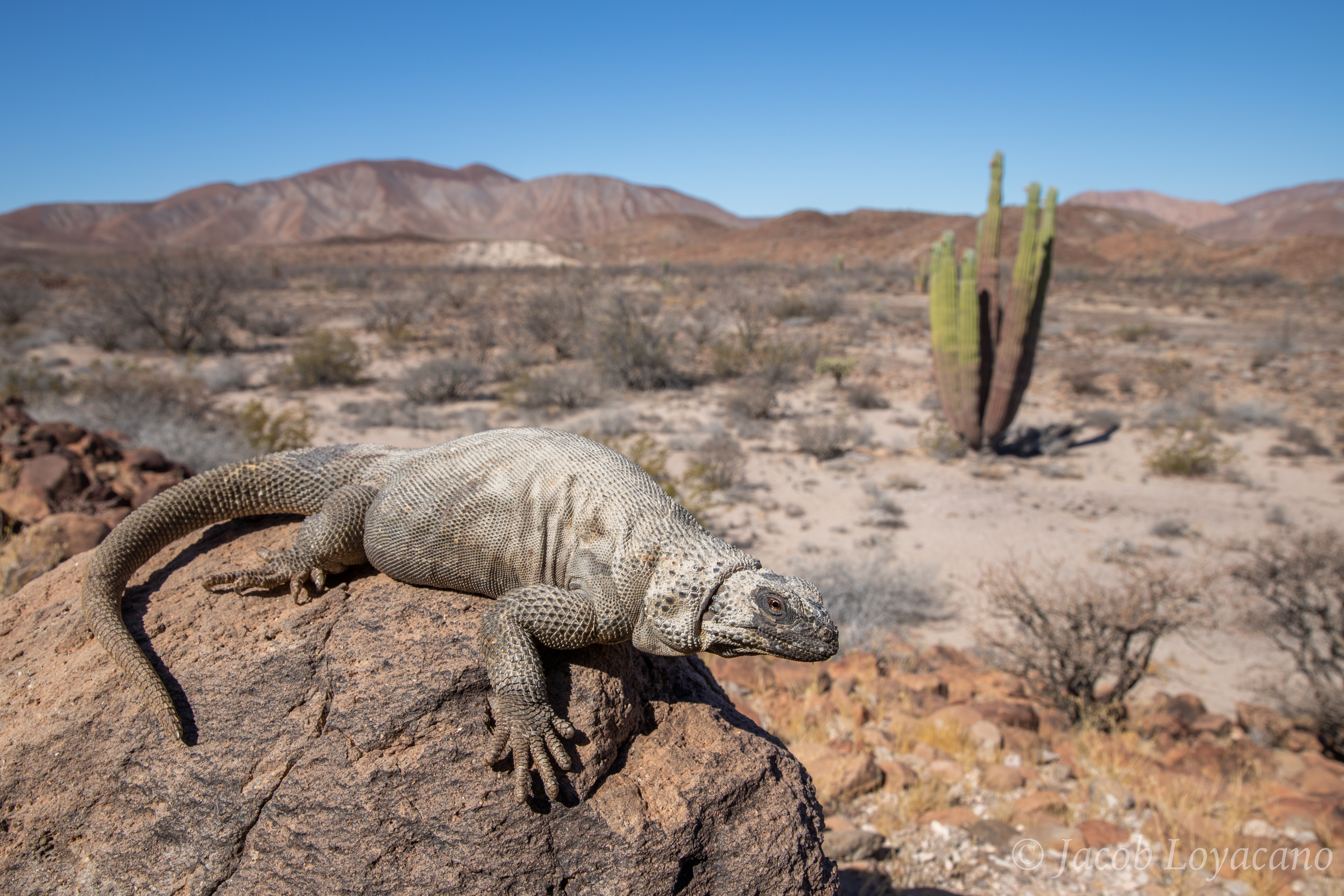
    Hirst SR, Vásquez-Cruz V, Strickland JL, Margres MJ. The Hunchback of Isla Piojo: First Record of Putative Kyphosis in the Spiny Chuckwalla (Sauromalus hispidus).

  3. 2023

    Franz-Chávez H, Ramírez-Chaparro R, Pérez-Fiol T, López-Martínez DE, Rautsaw RM, Hirst SR, Rodriguez-López B, Borja M, Castañeda-Gaytán G, Strickland JL, Parkinson CL, Reyes Velasco J, Margres MJ. Mexican Geographical Distribution Notes 6: New Herpetological Records for Islands in the Gulf of California. Bulletin of the Chicago Herpetological Society. 58(8):129–130.

View full list on Google Scholar →

From Lab to Landscapes

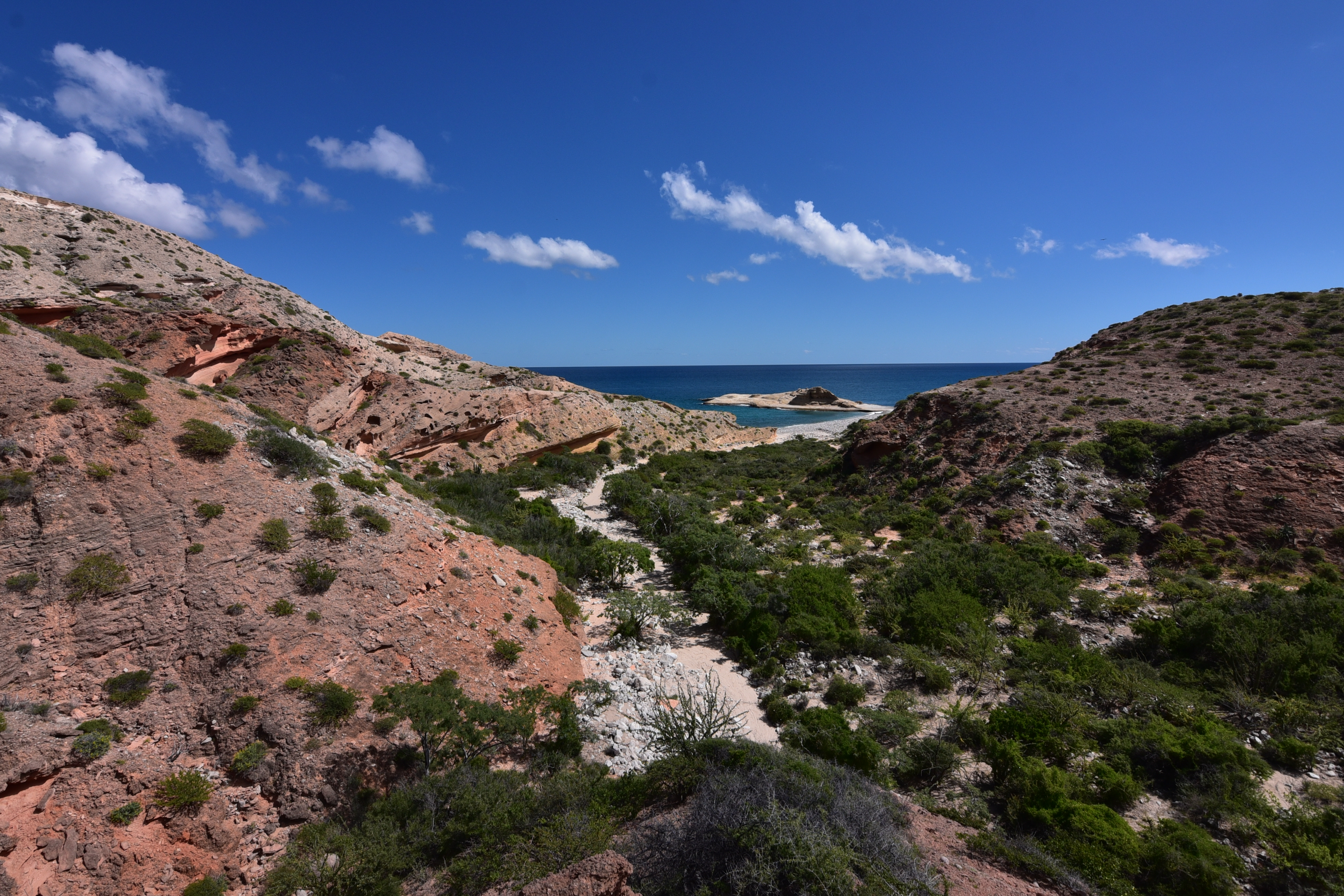
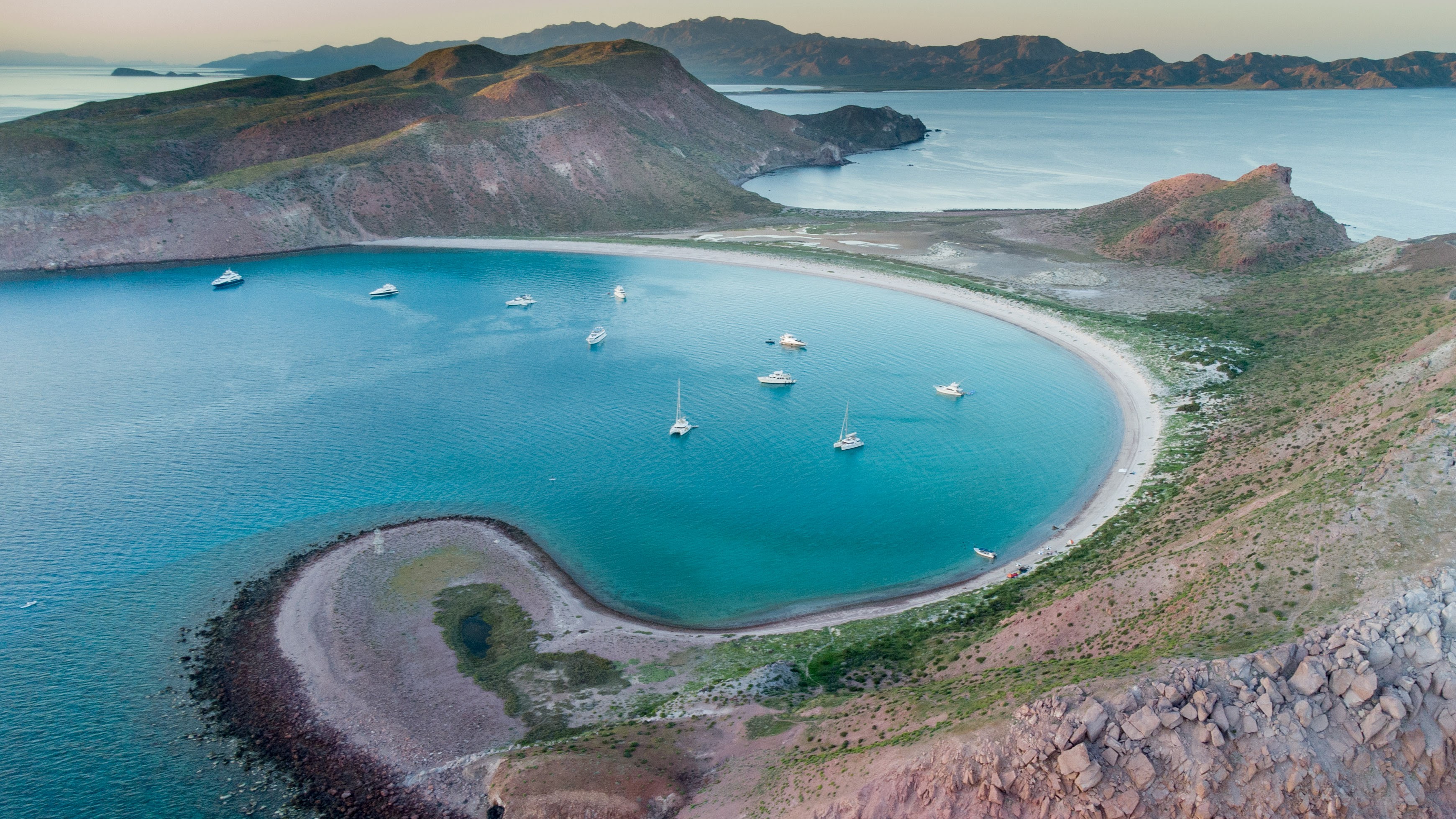
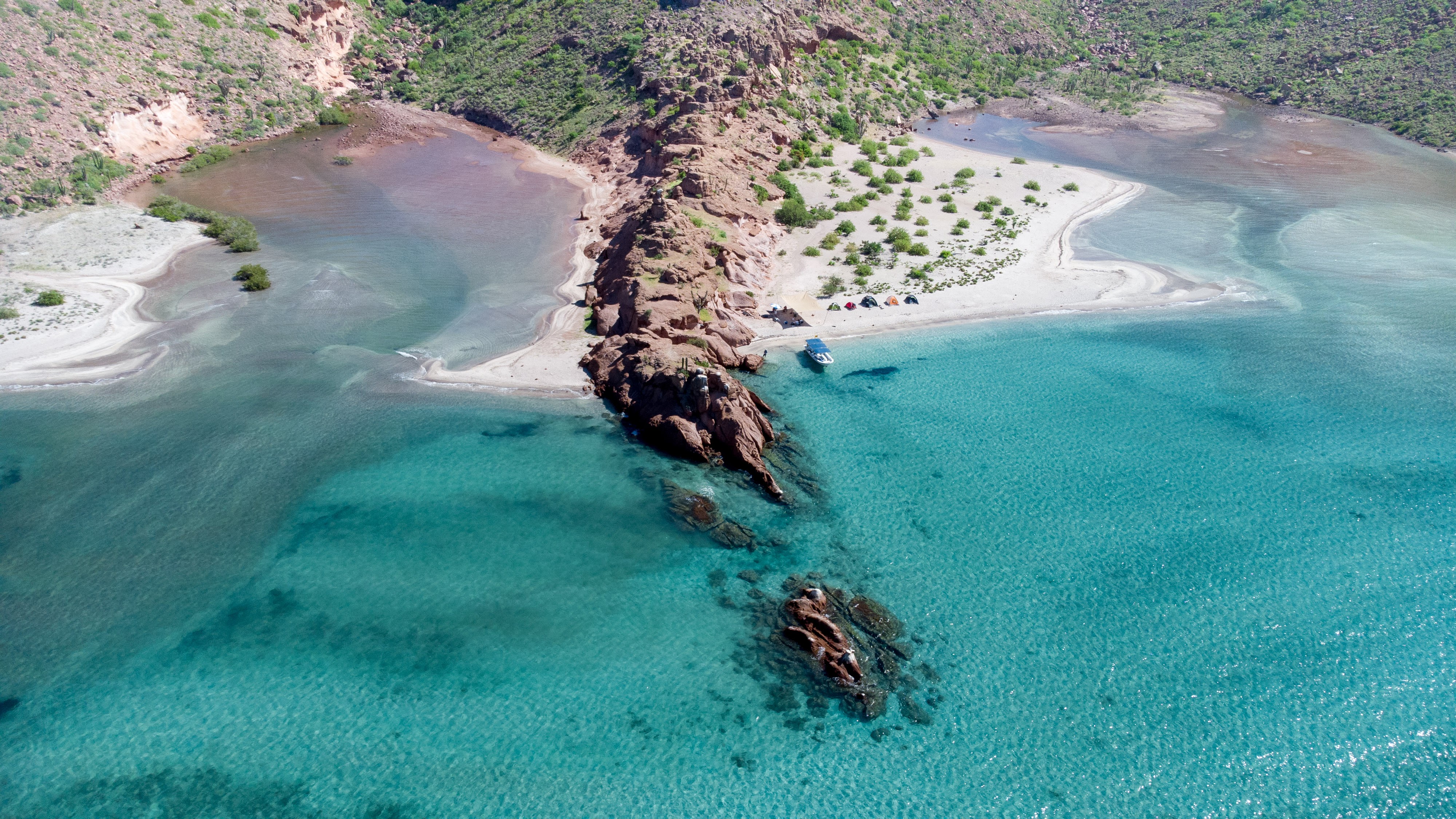
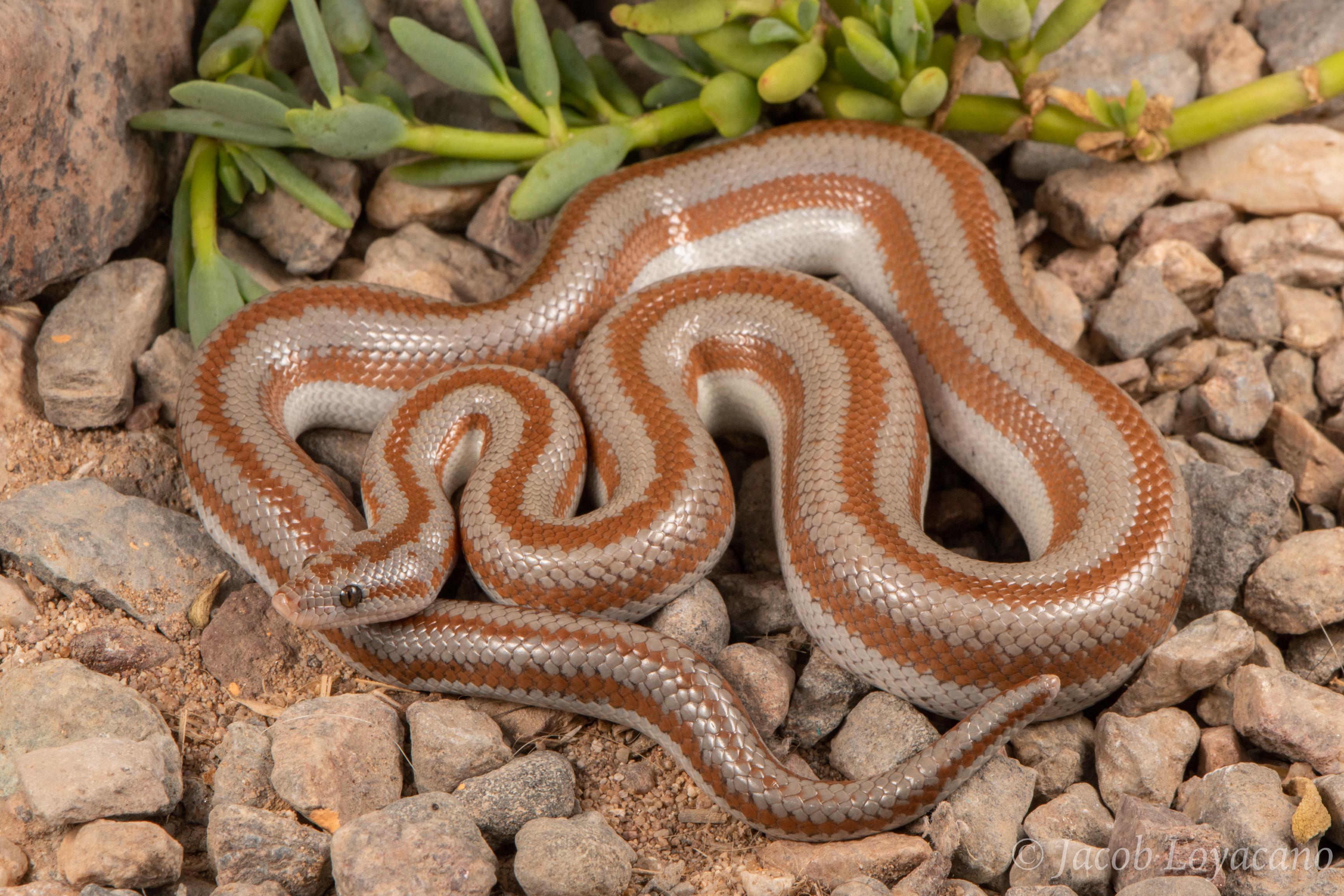
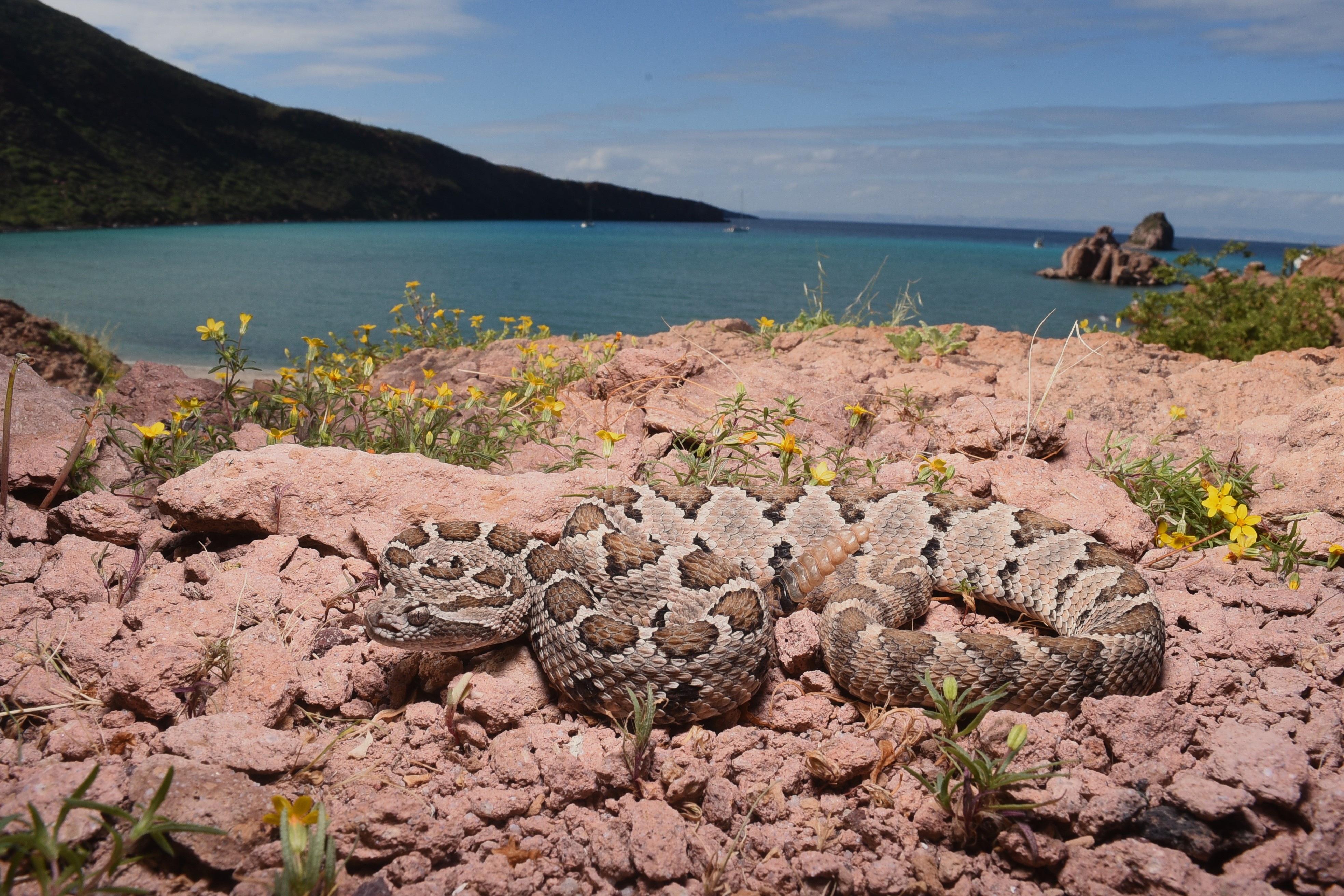
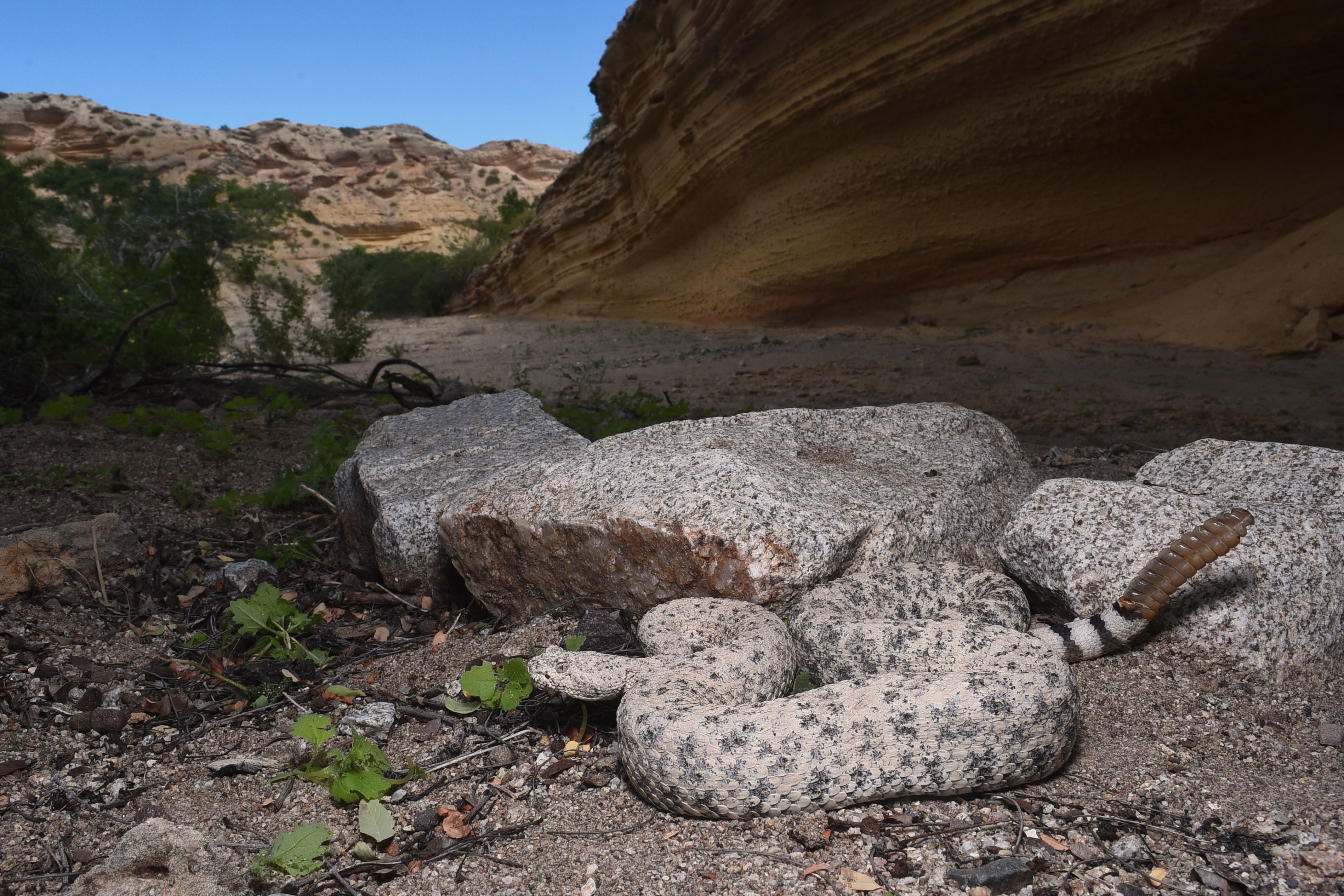
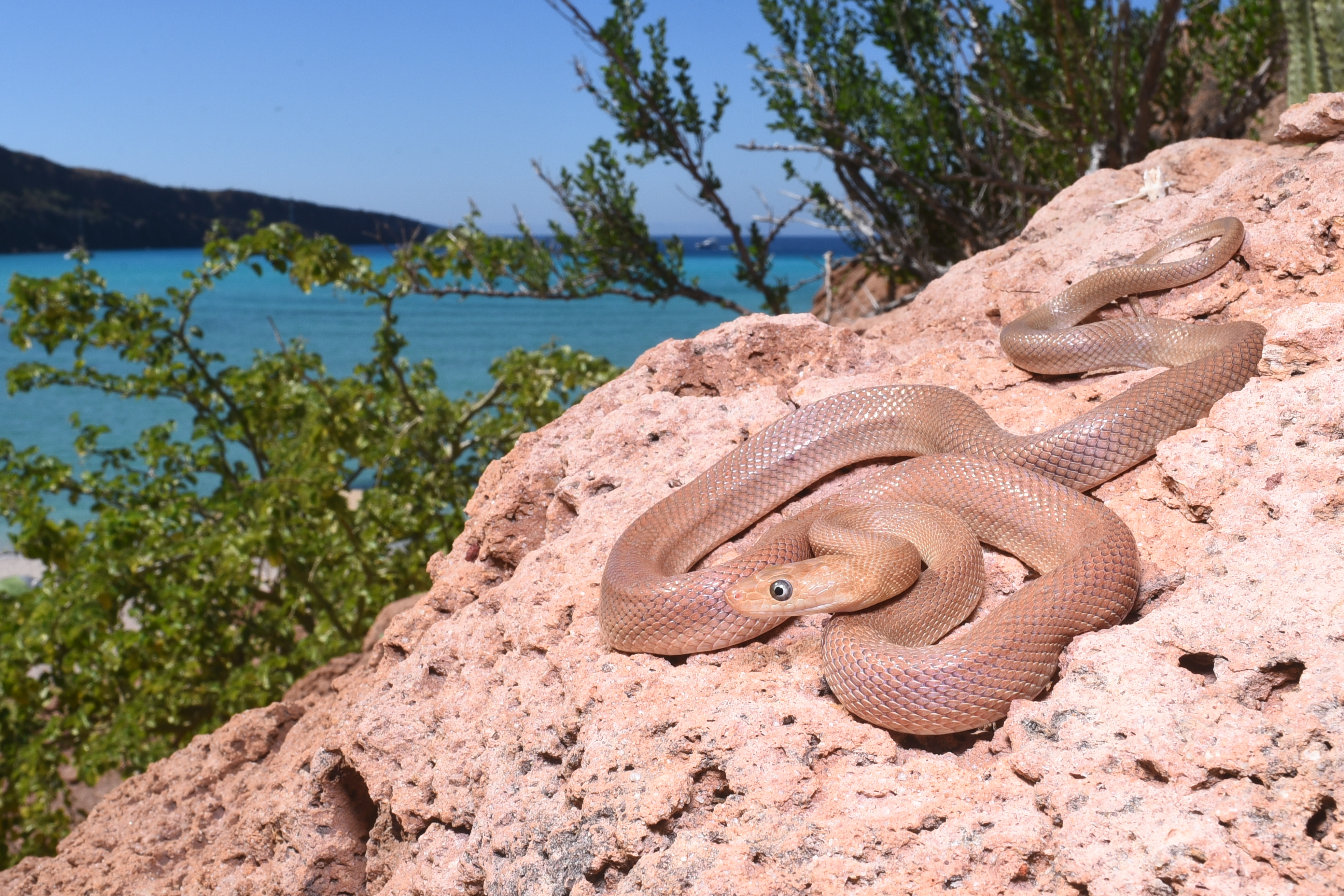
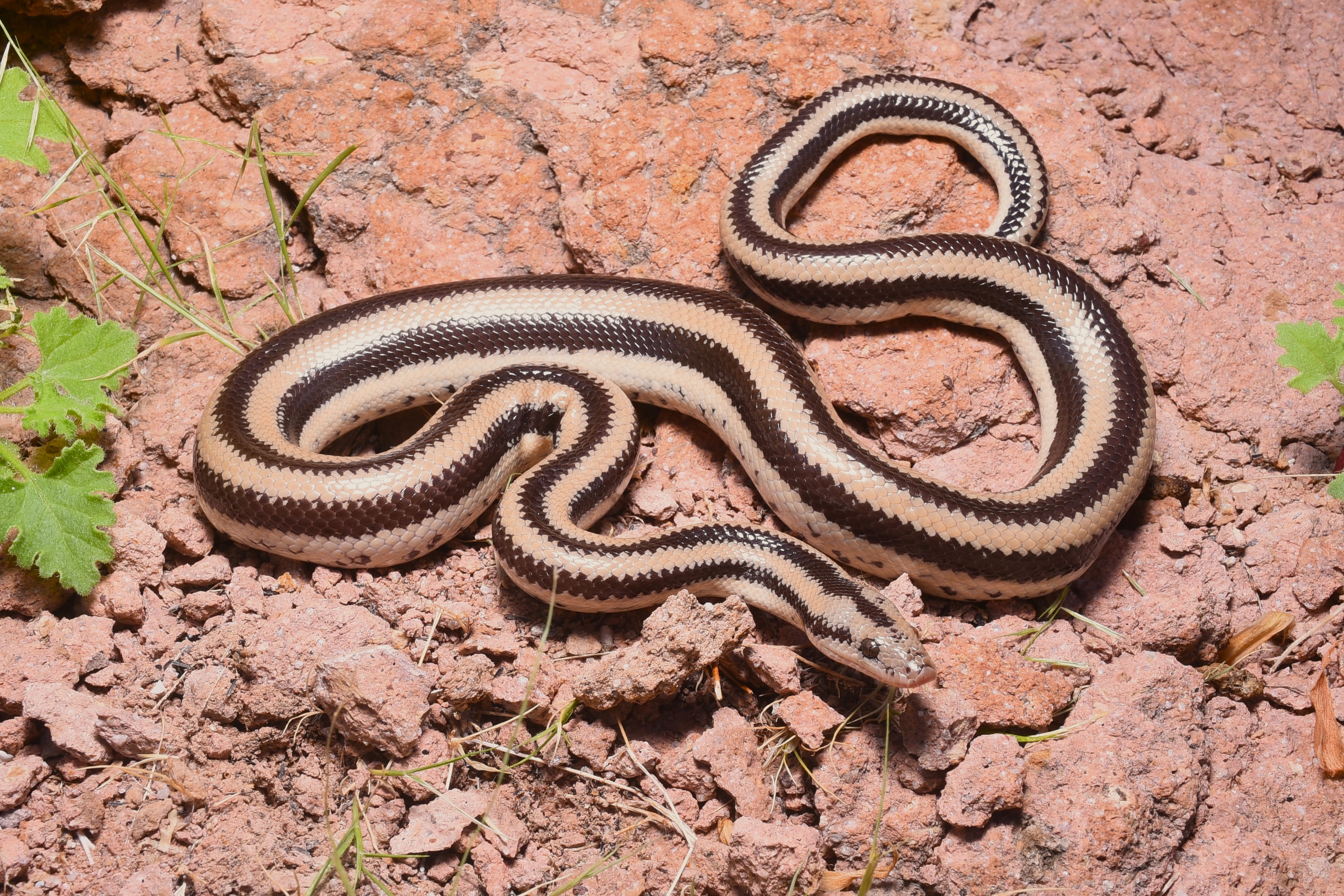
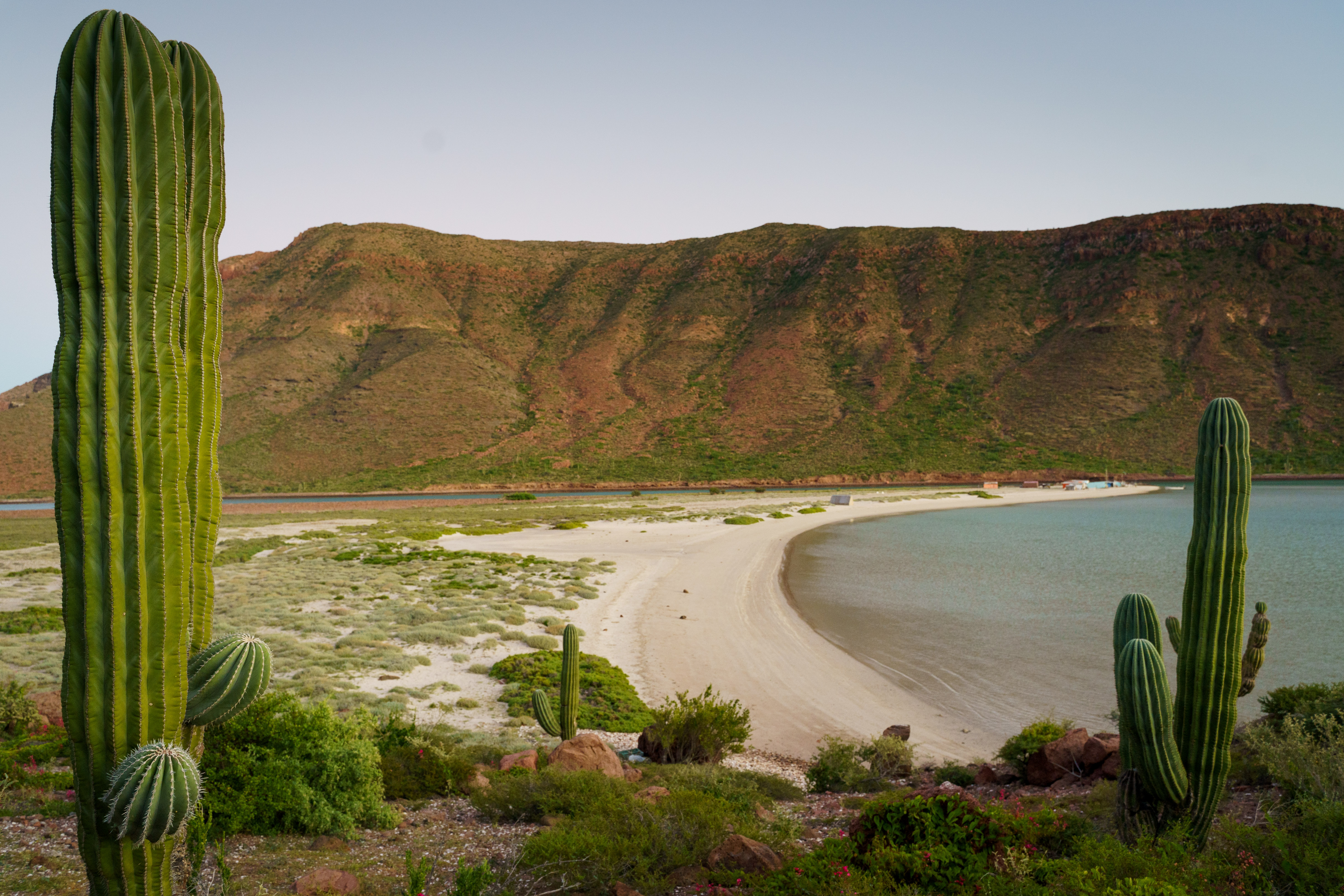
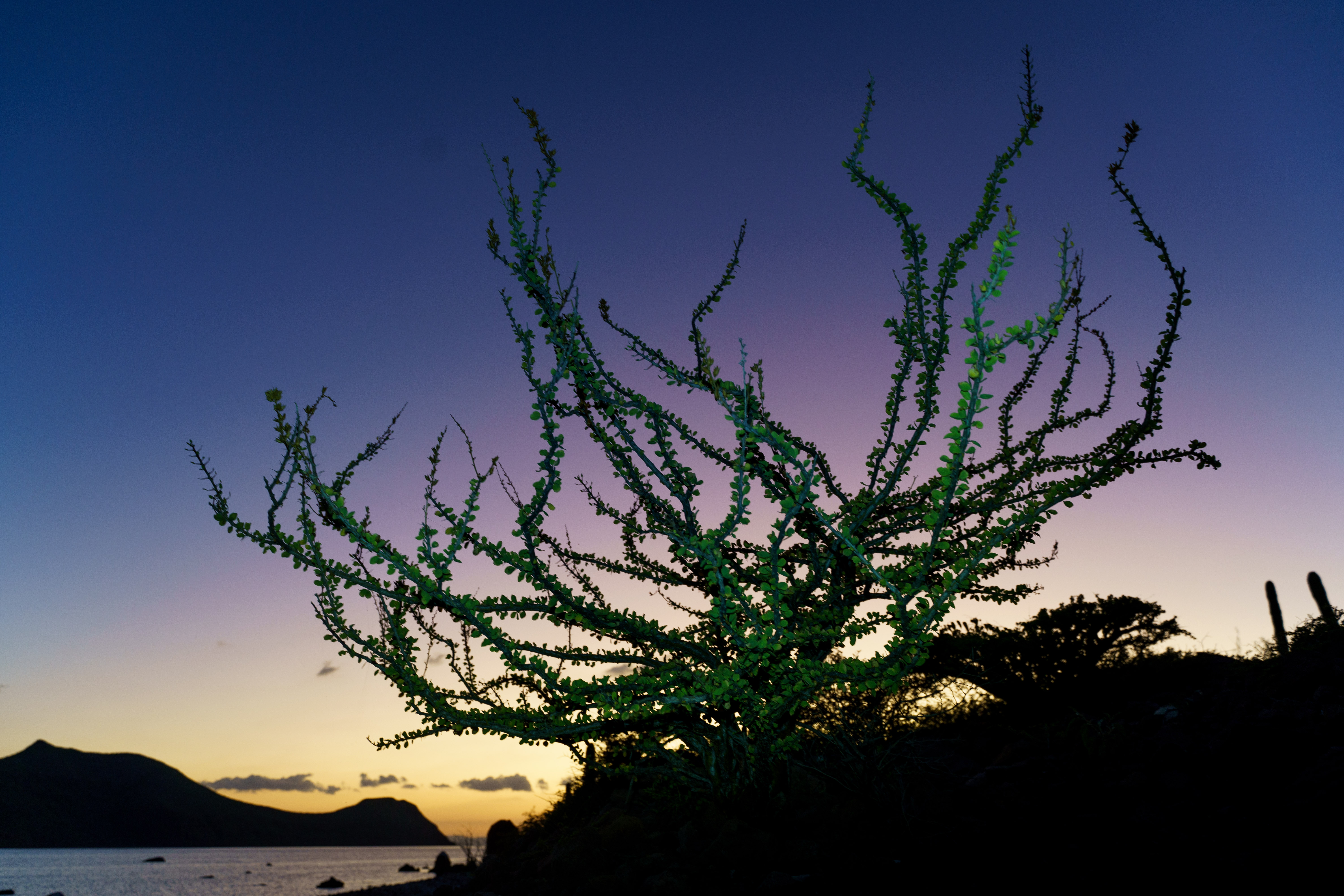
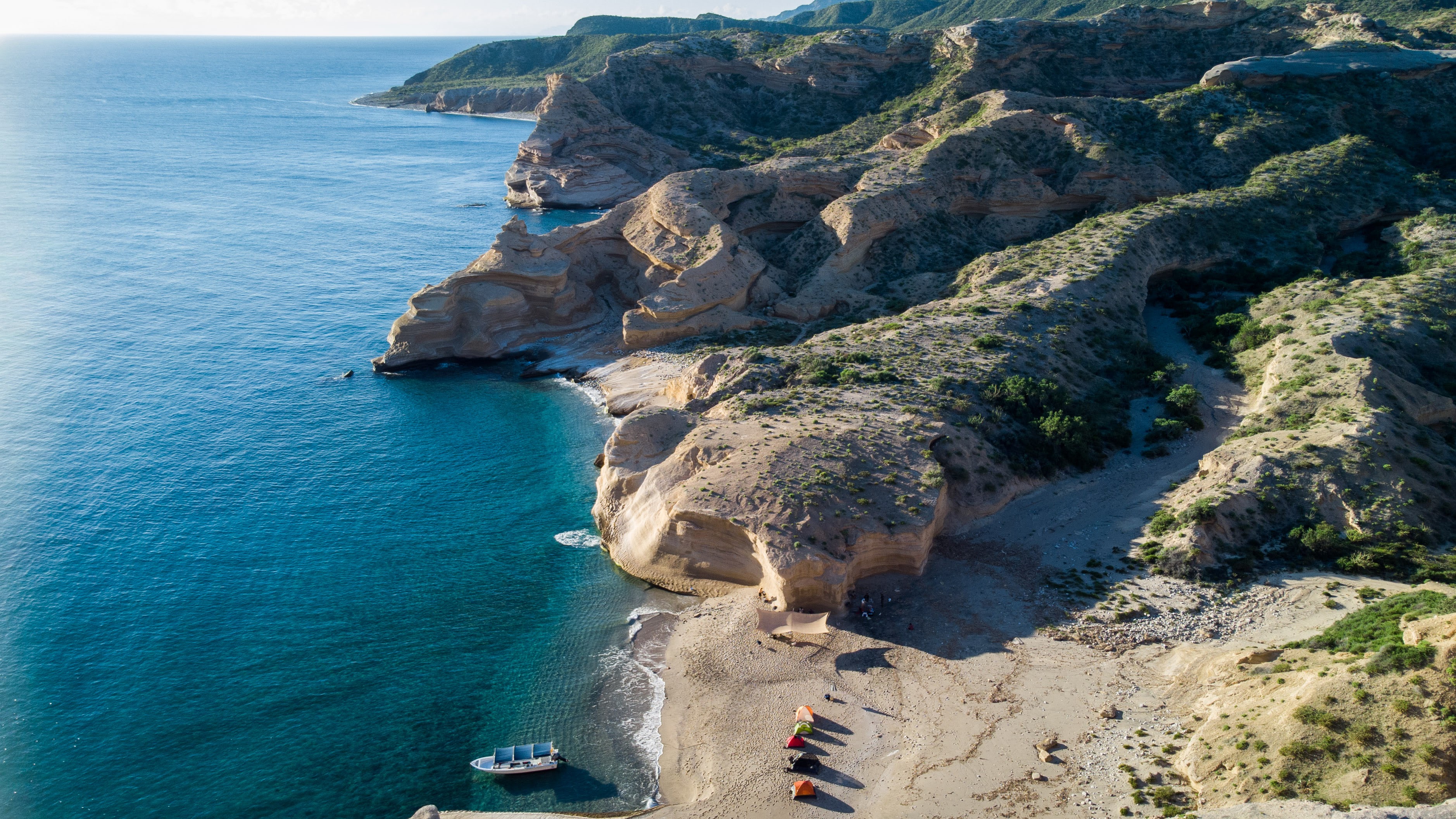
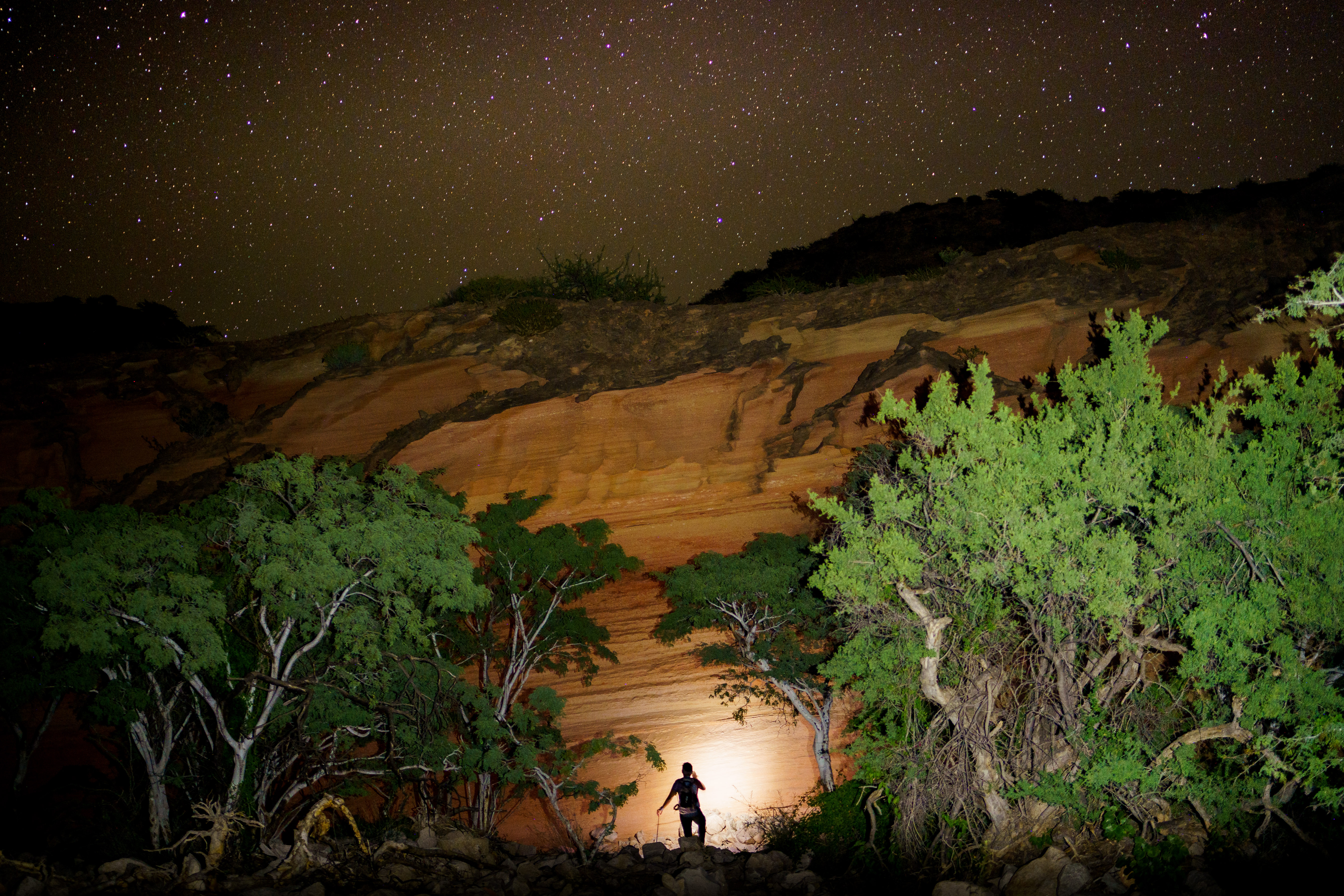
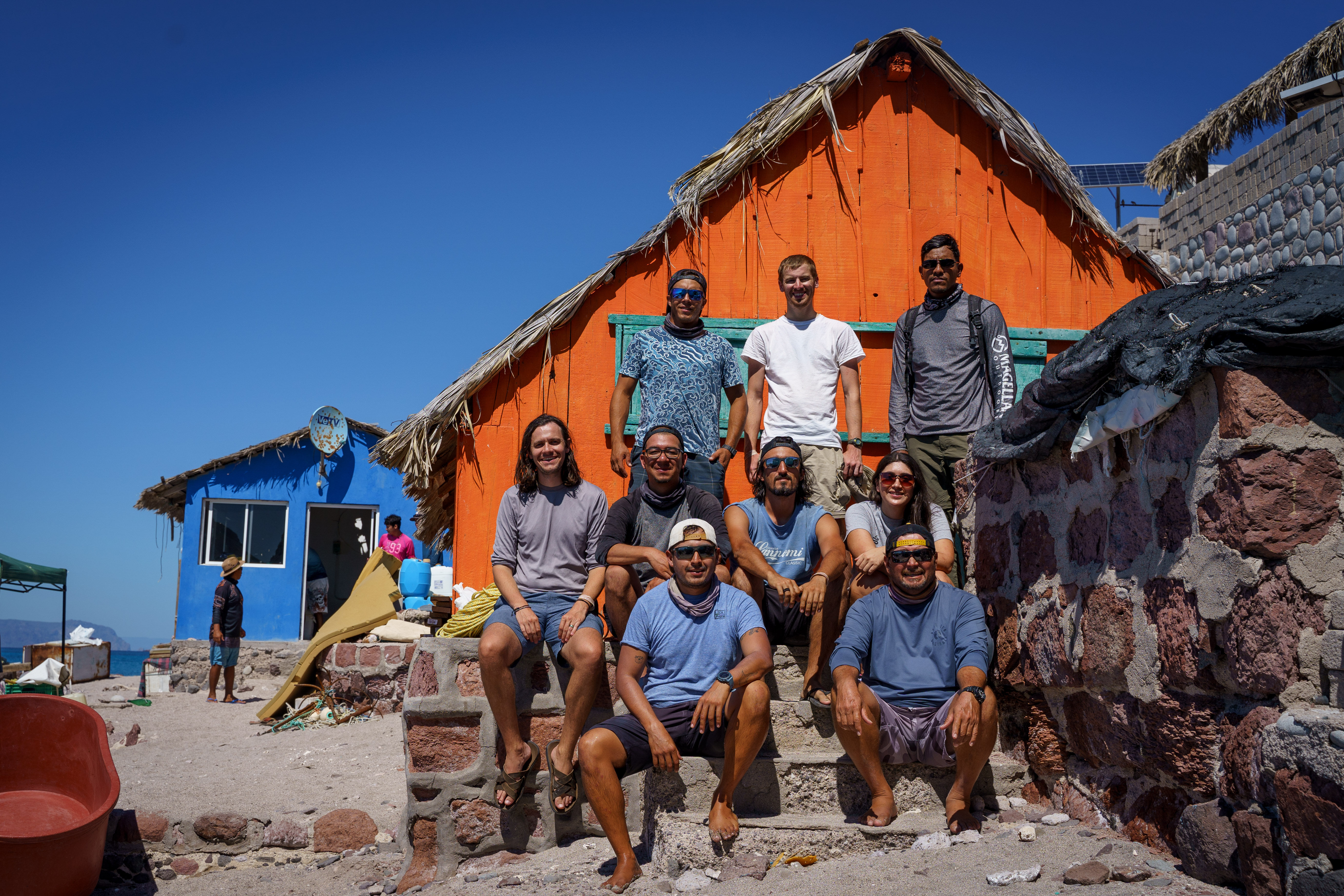
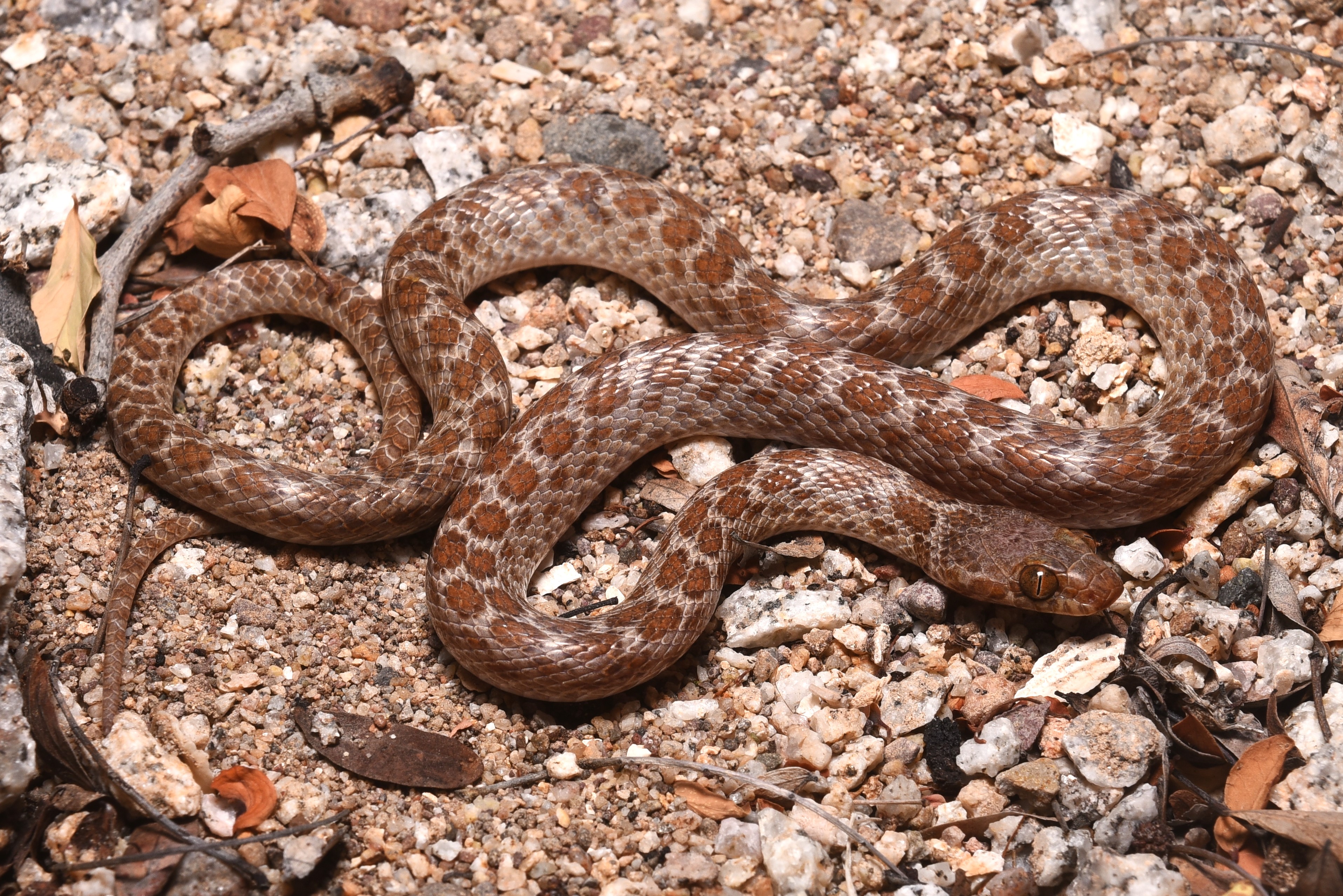
Much of my research has taken me to the Baja California Peninsula and the remote islands of the Gulf of California, where I sampled rattlesnake populations. These islands are biologically rich, visually stunning, and largely isolated—a perfect setting for studying evolution!

Photography by Ricardo Ramírez Chaparro and Jacobo Reyes Velasco

Get in Touch

I'm always happy to hear from potential collaborators, students, and researchers interested in evolutionary biology, ecology, and genomics. Happy to correspond in English or Spanish / Con gusto en español también.